Wednesday, January 17, 2018

Preventing Bone Loss With Collagen: Is Hydrolyzed Collagen A Natural Treatment for Osteoporosis?

One of the most common signs of an aging body is bone loss. It happens to all of us as we get older, but it especially afflicts women for a variety of reasons. The first step to preventing or even reversing bone loss is to understand what causes it.

Understanding Bone Loss Causes
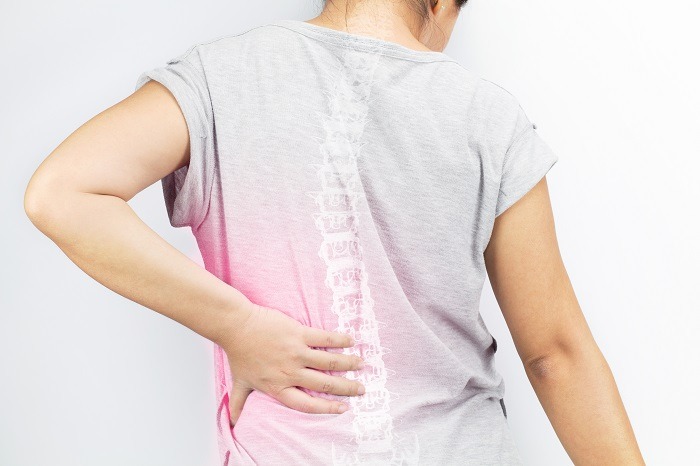
Bones are made of collagen, which is the protein matrix that holds bones together. Most people don’t know this, but there’s a constant cycle of collagen in our bones where it is constructed, destroyed and re-constructed. This is always happening and it’s our body’s way of keeping our collagen healthy.

Osteoporosis occurs when the creation of new bone collagen does not keep pace with the removal of old bone collagen. Throughout our lifespan, bone tissue is constantly being broken down and replaced. When we are young our body makes new bone faster than it breaks down old bone. The opposite is true as we get older, bone mass is lost faster than it is created.

Bone is a living tissue that is in a state of constant turnover. Cells within the bone include:

  • Osteoblasts, which are involved in forming new bone collagen; and
  • Osteoclasts, which resorb (break down) bone collagen. (When bone is resorbed calcium and other minerals are removed from bone tissue and released into the circulation.)

Both osteoblast and osteoclast activity are needed to maintain healthy bone tissue. The balance between these two opposing activities within bone is influenced by several factors, including:

  • Your age
  • Your genes
  • The number of certain hormones (such as sex hormones estrogen, progesterone and testosterone) in your body
  • The amount of physical activity you get (exercise increases osteoblasts to strengthen bones)
  • The amount of calcium and vitamin D in your body
  • Smoking
  • The quality of your diet

The following factors can specifically determine your risk for osteoporosis:

Too much protein Too little stomach acid
Inappropriate levels of stress High use of stimulants and fizzy drinks
Poor intake of specific nutrients Poor absorption of specific nutrients
Poor use of specific nutrients High intake of phytates
Too much salt Too much sulfate


The Symptoms Of Osteoporosis

Osteoporosis does not happen overnight and usually develops slowly without any symptoms over the course of many years. However, a common cause of osteoporosis pain is a spinal compression fracture which can cause:

  • Sudden, severe back pain that gets worse when you are standing or walking with some relief when you lie down and becomes chronic over time
  • Trouble bending and/or twisting your body, and pain when you do
  • Loss of height or “shrinking”
  • A curved spine called kyphosis, also known as a “dowager’s hump.”
  • Dental pockets

Osteoporosis causes bones to become brittle and weak and therefore easy to break, but it is not a normal part of the aging process – not everyone will get osteoporosis as they get older, despite it being a common occurrence.  Some people have a lower bone density than normal because of their habits and genetic markings.  

Diagnostic Testing

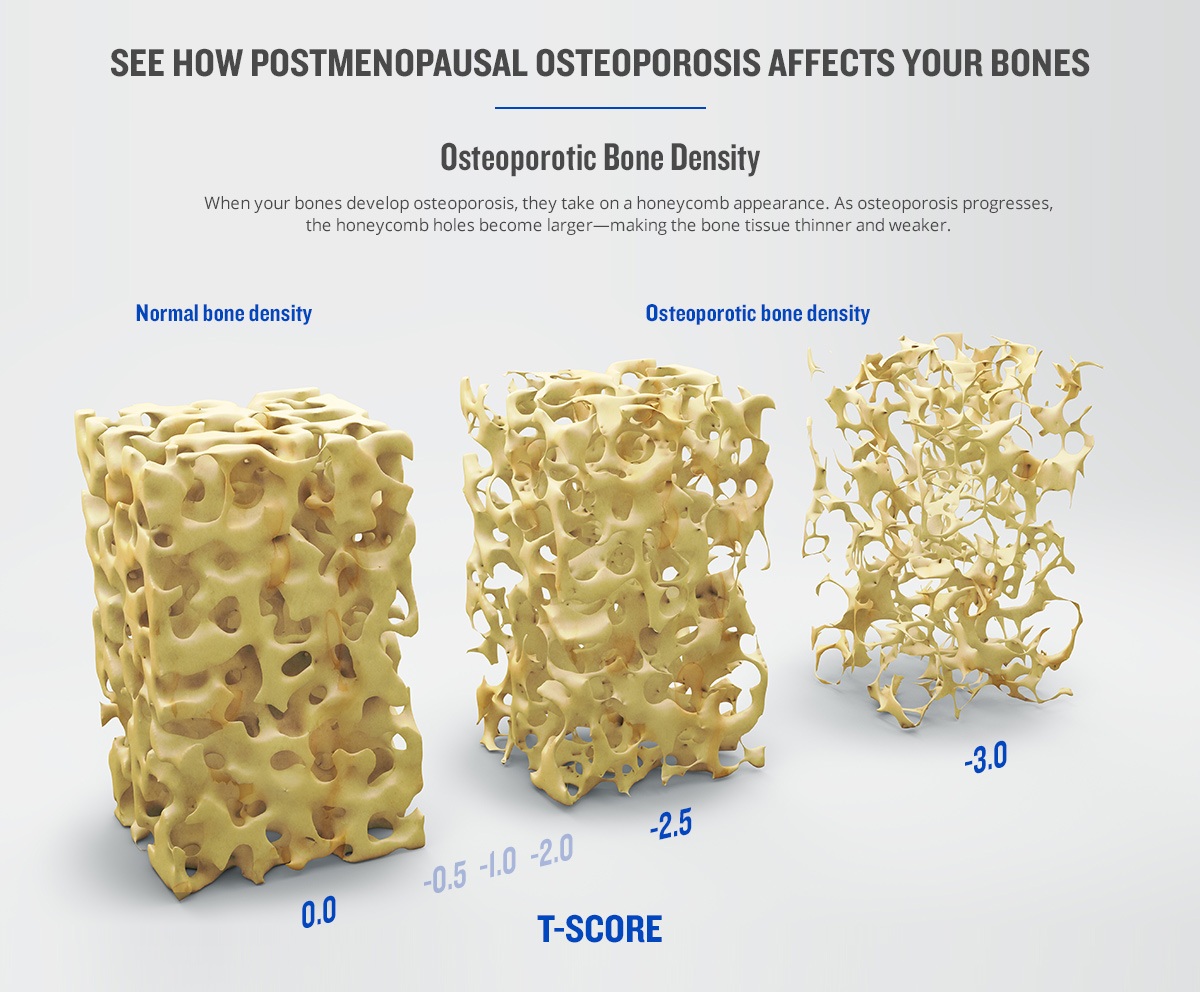
The bone mineral density (BMD) test is the primary source used to identify osteoporosis and low bone mass. One of the most common ways to measure BMD is by using is dual-energy X-ray absorptiometry or DEXA. This test uses a low-energy X-ray to evaluate bone density in the hip and/or spine and will simply be referred to as a DEXA scan.

Understanding Your T Score

Your T-score is the measure used when screening for osteoporosis. It is a comparison of a patient’s BMD to that of a healthy 30-year-old that is of the same sex and ethnicity. In post-menopausal women and men over age 50, values for 30-year-olds are used because they better predict risk of future fracture.

According to the World Health Organization:

  •         Normal is a T-score of −1.0 or higher
  •         Osteopenia is defined as between −1.0 and −2.5
  •         Osteoporosis is defined as −2.5 or lower, meaning a bone density that is two and a half standard deviations below the mean of a 30-year-old man/woman
Preventing And Treating Bone Loss Naturally Versus Using Medication

Taking an osteoporosis medication may help decrease the risk of fracture but the possibility of a break is not eliminated completely. The most commonly prescribed medications for bone loss are bisphosphonates such as Fosamax, Actonel, Aredia, and Zometa. These medications have not been found to be a cost-effective way to treat osteopenia and osteoporosis. Most people do not suffer major side effects of the medications but there have been some cases of atypical femur and jaw fractures. There have not been any long-term studies done on the effectiveness of these drugs. They are typically prescribed for a period of three to five years. Some doctors worry that staying on the drug for more than five years can cause some women’s bones to become more brittle and break spontaneously.

These drugs increase the mineral framework of the bones but recent research has shown that the trabeculae (cross bars) of the bone matrix may not be stronger thus making the bones still susceptible to breaking.

The women on these drugs have a false sense of security as they get regular bone density tests. The tests usually show a steady increase in bone density which doesn’t make any sense. Essentially the crossbars are denser but not stronger. This puts them at risk of serious spontaneous fractures.

Calcium Alone Will Not Do It

It is important to understand that osteoporosis is not a calcium deficiency disorder – it is a disorder where calcium is lost from bone. Ninety-nine-percent of calcium in the body is in bone. Just replacing calcium and giving vitamin D that aids calcium being deposited in bone is linear thinking in terms of managing this devastating, largely preventable disease. Up to four-percent bone loss per year can occur by the time a woman reaches her late sixties.

Taking a calcium/magnesium/silica supplement along with a vitamin D3 supplement and Vitamin K2 could help prevent and treat bone loss.  Calcium/magnesium/silica as well as zinc build bones and keeps them healthy. Vitamin D helps the body absorb calcium. Vitamin K ensures the calcium gets where you need it – your bones, instead of your organs which could cause a number of health problems including atherosclerosis and kidney stones.  Magnesium is vital in creating the spark within the cell to utilize calcium.

Another supplement that could be helpful is hydrolyzed collagen which has been found to help reduce bone loss and restore bone density in postmenopausal women.  Collagen helps create the cement which holds the trabeculae. This way the crossbars are denser and stronger.

Collagen peptides (CP) compounds, as bone health supplements, are known to play a role in the treatment of osteoporosis. However, the molecular mechanisms of this process remain unclear. One study aimed to investigate the effects of bovine CP compounds on the proliferation and differentiation of MC3T3-E1 cells. What the study found was that bovine CP compounds increased osteoblast reproduction and played positive roles in osteoblast differentiation and mineralized bone matrix formation. Essentially, the authors concluded that their study indicated taking a bovine CP compound like Collagen Complete could be beneficial for the potential treatment of osteoarthritis and osteoporosis.

Balancing Hormones

A major factor contributing to the onset of osteoporosis in women is the decline in hormone levels after the onset of menopause, as all the major sex hormones play an important role in maintaining bone density. One in four postmenopausal women has osteoporosis. Progesterone is considered the most important hormone as it is able to stimulate osteoblast-mediated new bone.

Prevention Osteoporosis Naturally
The best way to prevent osteoporosis and osteopenia is to stimulate the body’s collagen-creation cycle so that you are making more collagen than you’re destroying.

This can be done through diet, exercise, and outdoors activities. These may also help in slowing down osteoporosis.

The Best Bone Density Exercises

Regular weight-bearing exercise throughout life is best but it is never too late to start.

Walking, running, jumping in place, playing tennis and taking an aerobics class are all weight-bearing exercises that promote healthy bones. Muscle-strengthening exercises include lifting weights, using exercise bands or doing calisthenic exercises. Tai Chi is also very beneficial. It is important to get some kind of exercise every day.

Both weight-bearing and muscle-strengthening exercises will help build and maintain bone density.

The reason weight-bearing exercise is helpful is twofold: 1. It triggers the collagen cycle of destruction and reconstruction that we discussed above, and 2. It stimulates healthy hormonal balance.

Preventing Osteoporosis With Nutrition

Eating a healthy balance of fruits and vegetables is vital. Meat, egg yolks, cheese and fatty fish such as sardines, sockeye salmon, mackerel, herring and tuna are a good source of calcium and Vitamin D, however, sun exposure is still the best source of Vitamin D. A healthy diet is made of healthy fats, wholesome foods and healthy sources of protein.

Other Important Bone Nutrients

Nutrient Best Food Sources
zinc nuts, seeds
manganese/boron unprocessed foods
silicon/copper unprocessed foods
vitamin A yellow and deep green vegetables
vitamin C berries, potatoes, most fruit and vegetables
vitamin K cauliflower and green vegetables
vitamin B6 fruits, vegetables

Hydrolyzed Collagen, Collagen Peptides, And Easy Absorption

As with most diseases, prevention is better than curing an infliction after it is already taken hold of your body. Staying active and eating a healthy, balanced diet is one way to keep bones healthy and prevent excessive bone loss. Getting a daily 20 minutes of sun exposure (not a sunburn) and fresh air is another way to prevent “thinning.” Supplementing with the correct minerals, vitamins and collagen will add to your healthy regimen and contribute to a healthy strong frame. All these can easily become part of your healthy daily living.

As discussed above, using a supplement such as Collagen Complete can help replenish your bones and increase bone density.

The post Preventing Bone Loss With Collagen: Is Hydrolyzed Collagen A Natural Treatment for Osteoporosis? appeared first on Collagen Complete.


source http://collagencomplete.com/hydrolyzed-collagen-osteoporosis/

Sunday, January 14, 2018

Can Taking A Collagen Supplement Help With Weight Loss?

It’s been proven that taking a collagen supplement is incredibly beneficial for your hair, skin, joints, muscles, fingernails, and bones but what about taking collagen to assist in weight loss?

In addition to the benefits mentioned above, one of the positive effects of taking a supplement like Collagen Complete is that it will also increase your energy.

How does it do that?

By increasing the amount of collagen in your diet, you can safely and naturally boost your metabolism by building and maintaining lean muscle. This is possible because collagen is a fibrous protein that strengthens the body’s connective tissues.

The stronger and leaner your muscles are, the higher your metabolic rate is, which allows your body to burn more calories throughout a 24-hour period.

From a physiological standpoint, taking a daily collagen supplement will speed up your metabolism but there are other factors that can contribute to weight loss and gain.

Can collagen reduce appetite?

In today’s world, we are inundated with weight loss products that are marketed around suppressing our appetites through the idea of meal replacement. Shakes, protein drinks, and even boutique snacks are sold with the claim that they will make you feel fuller which suppresses our appetite.

The concerning factor about these products is that most of them are produced through chemicals and other synthetic additives, not a natural protein like collagen.

The amount of sugar in many of these products is also alarming. A study on the insulinogenic effect of whey protein found that the popular supplement increases blood sugar levels that are similar to levels that were found after eating white bread. The spike in insulin leads to a surge in hunger, which is counterproductive to losing weight.

Whey protein shakes are favored by bodybuilders because it is considered a “complete protein” due to it containing all nine essential amino acids and it has a low-fat content, but the high amount of sugar is the trade-off. Simply put, bodybuilders aim at gaining weight through muscle mass, not trimming fat to form lean muscles.

Does that mean that taking a collagen supplement makes you feel full?

Yes. Another research study found that collagen is 40-percent more satiating than other protein sources like whey or soy. More so, the experiment participants that took a collagen supplement with their breakfast meal ate 20-percent less food at their next meal than those who did not take the collagen and instead ingested whey, casein, or soy.

The full feeling you get after eating is actually caused by nitrogen. In healthy women 71 years old who were given hydrolyzed collagen as a protein supplement maintained a balanced nitrogen level during 15 days of consumption compared to women who fit the same criteria but were given whey protein. The women who consumed the whey had higher levels of nitrogen excretion than the women who had taken the collagen over the same trial period.

Does collagen help retain muscle mass while dieting?

As we age, our bodies lose muscle and bone mass, largely due to the decreasing amount of collagen our bodies produce and the excretion of nitrogen. These losses call for an increased daily amount of protein in order to maintain muscle mass specifically.

In the aforementioned study of the 71-year-old women who were given collagen supplement versus a whey protein, the women who consumed the collagen also had better preservation of lean body mass in addition to more balanced nitrogen levels.

The unique amino acid makeup of collagen helps maintain consistency when you step on the scale after weight loss without adverse side effects like losing muscle mass, which is common among people who eat a low-protein diet. In fact, collagen peptides have been shown to be more effective in maintaining lean muscle mass than other proteins.

What about gut health? Does that factor into weight loss?

Leaky Gut Syndrome (LGS) is becoming more prevalent than ever because of the on-the-go world we live in and the unbalanced diets many people have as a result.

LGS is a condition that leaves you feeling bloated, irritable, tired, sluggish and many other unwanted factors that negatively affect our mood.

Leaky Gut Syndrome is caused by undigested or partially digested food, nutrients, bacteria, and toxins that leak through the lining of the small intestines into the bloodstream, creating an autoimmune reaction.

Earlier, we learned that collagen peptides are beneficial for maintaining muscle mass, but they have another quality that almost acts as a secret agent: two of the amino acids found in collagen – proline and glycine – are building blocks for repairing damaged intestinal lining. The stronger the liner of your small intestines, the harder it is for the toxic foreign substances to enter the bloodstream. This also helps keep your liver healthy as its ability to detoxify isn’t overburdened which leads to a healthier and more productive immune system.

Does taking a collagen supplement keep skin elasticity and tone as weight loss is achieved?

One of the biggest complaints people who experienced significant weight loss have is the excess or saggy skin that is left behind.

Collagen has been proven time and time again to increase the elasticity in skin and is one of the most effective supplements for strengthening the dermis layer on our skin. The effects of collagen hydrolysate (also known as hydrolyzed collagen) was studied in relation to cutaneous aging and the results even further this claim.

69 women between the ages of 35-55 years were randomized to receive either collagen hydrolysate (CH) or a placebo once daily for 8 weeks. The elasticity, moisture, and transepidermal water loss (the evaporation of water through the skin) were all objectively measured before the trial began, after four weeks, eight weeks, and after the trial ended, with skin elasticity being the primary interest. When the study concluded, the group that were given CH showed a significant improvement in skin elasticity over the group that took the placebo.

Four weeks after the study was over, a statistically higher level of elasticity was found in older participants that orally ingested the collagen hydrolysate. Additionally, the CH was found to have a positive influence in regards to maintaining skin moisture and evaporation.

As cellulite is more pronounced in thin and saggy skin, collagen supplementation aids in hiding the fat cells under the skin by increasing both the elasticity and thickness of the skin.

Conclusion

Taken before meals, a collagen supplement like Collagen Complete will reduce your appetite and give you a feeling of being full.  Taken before bedtime, the collagen spreads throughout the body quickly helping build muscle mass, repair skin elasticity, help reverse gut damage, and give you a good night sleep, all factors that are necessary to achieve weight loss healthily.

The benefits of taking collagen as a daily supplement are plentiful and as time, technology, and science progress, the positive effects of collagen will prove to be even more beneficial for overall health from the inside out.

The post Can Taking A Collagen Supplement Help With Weight Loss? appeared first on Collagen Complete.


source http://collagencomplete.com/collagen-for-weight-loss/

Can Taking A Collagen Supplement Help With Weight Loss?

It’s been proven that taking a collagen supplement is incredibly beneficial for your hair, skin, joints, muscles, fingernails, and bones but what about taking collagen to assist in weight loss?

In addition to the benefits mentioned above, one of the positive effects of taking a supplement like Collagen Complete is that it will also increase your energy.

How does it do that?

By increasing the amount of collagen in your diet, you can safely and naturally boost your metabolism by building and maintaining lean muscle. This is possible because collagen is a fibrous protein that strengthens the body’s connective tissues.

The stronger and leaner your muscles are, the higher your metabolic rate is, which allows your body to burn more calories throughout a 24-hour period.

From a physiological standpoint, taking a daily collagen supplement will speed up your metabolism but there are other factors that can contribute to weight loss and gain.

Can collagen reduce appetite?

In today’s world, we are inundated with weight loss products that are marketed around suppressing our appetites through the idea of meal replacement. Shakes, protein drinks, and even boutique snacks are sold with the claim that they will make you feel fuller which suppresses our appetite.

The concerning factor about these products is that most of them are produced through chemicals and other synthetic additives, not a natural protein like collagen.

The amount of sugar in many of these products is also alarming. A study on the insulinogenic effect of whey protein found that the popular supplement increases blood sugar levels that are similar to levels that were found after eating white bread. The spike in insulin leads to a surge in hunger, which is counterproductive to losing weight.

Whey protein shakes are favored by bodybuilders because it is considered a “complete protein” due to it containing all nine essential amino acids and it has a low-fat content, but the high amount of sugar is the trade-off. Simply put, bodybuilders aim at gaining weight through muscle mass, not trimming fat to form lean muscles.

Does that mean that taking a collagen supplement makes you feel full?

Yes. Another research study found that collagen is 40-percent more satiating than other protein sources like whey or soy. More so, the experiment participants that took a collagen supplement with their breakfast meal ate 20-percent less food at their next meal than those who did not take the collagen and instead ingested whey, casein, or soy.

The full feeling you get after eating is actually caused by nitrogen. In healthy women 71 years old who were given hydrolyzed collagen as a protein supplement maintained a balanced nitrogen level during 15 days of consumption compared to women who fit the same criteria but were given whey protein. The women who consumed the whey had higher levels of nitrogen excretion than the women who had taken the collagen over the same trial period.

Does collagen help retain muscle mass while dieting?

As we age, our bodies lose muscle and bone mass, largely due to the decreasing amount of collagen our bodies produce and the excretion of nitrogen. These losses call for an increased daily amount of protein in order to maintain muscle mass specifically.

In the aforementioned study of the 71-year-old women who were given collagen supplement versus a whey protein, the women who consumed the collagen also had better preservation of lean body mass in addition to more balanced nitrogen levels.

The unique amino acid makeup of collagen helps maintain consistency when you step on the scale after weight loss without adverse side effects like losing muscle mass, which is common among people who eat a low-protein diet. In fact, collagen peptides have been shown to be more effective in maintaining lean muscle mass than other proteins.

What about gut health? Does that factor into weight loss?

Leaky Gut Syndrome (LGS) is becoming more prevalent than ever because of the on-the-go world we live in and the unbalanced diets many people have as a result.

LGS is a condition that leaves you feeling bloated, irritable, tired, sluggish and many other unwanted factors that negatively affect our mood.

Leaky Gut Syndrome is caused by undigested or partially digested food, nutrients, bacteria, and toxins that leak through the lining of the small intestines into the bloodstream, creating an autoimmune reaction.

Earlier, we learned that collagen peptides are beneficial for maintaining muscle mass, but they have another quality that almost acts as a secret agent: two of the amino acids found in collagen – proline and glycine – are building blocks for repairing damaged intestinal lining. The stronger the liner of your small intestines, the harder it is for the toxic foreign substances to enter the bloodstream. This also helps keep your liver healthy as its ability to detoxify isn’t overburdened which leads to a healthier and more productive immune system.

Does taking a collagen supplement keep skin elasticity and tone as weight loss is achieved?

One of the biggest complaints people who experienced significant weight loss have is the excess or saggy skin that is left behind.

Collagen has been proven time and time again to increase the elasticity in skin and is one of the most effective supplements for strengthening the dermis layer on our skin. The effects of collagen hydrolysate (also known as hydrolyzed collagen) was studied in relation to cutaneous aging and the results even further this claim.

69 women between the ages of 35-55 years were randomized to receive either collagen hydrolysate (CH) or a placebo once daily for 8 weeks. The elasticity, moisture, and transepidermal water loss (the evaporation of water through the skin) were all objectively measured before the trial began, after four weeks, eight weeks, and after the trial ended, with skin elasticity being the primary interest. When the study concluded, the group that were given CH showed a significant improvement in skin elasticity over the group that took the placebo.

Four weeks after the study was over, a statistically higher level of elasticity was found in older participants that orally ingested the collagen hydrolysate. Additionally, the CH was found to have a positive influence in regards to maintaining skin moisture and evaporation.

As cellulite is more pronounced in thin and saggy skin, collagen supplementation aids in hiding the fat cells under the skin by increasing both the elasticity and thickness of the skin.

Conclusion

Taken before meals, a collagen supplement like Collagen Complete will reduce your appetite and give you a feeling of being full.  Taken before bedtime, the collagen spreads throughout the body quickly helping build muscle mass, repair skin elasticity, help reverse gut damage, and give you a good night sleep, all factors that are necessary to achieve weight loss healthily.

The benefits of taking collagen as a daily supplement are plentiful and as time, technology, and science progress, the positive effects of collagen will prove to be even more beneficial for overall health from the inside out.

The post Can Taking A Collagen Supplement Help With Weight Loss? appeared first on Collagen Complete.


source http://collagencomplete.com/collagen-for-weight-loss/

Saturday, January 13, 2018

Is Gelatin Good For You?

Is Gelatin Good for You? Why Do You Need Mankind’s Most Ancient Superfood?

A protein derived from collagen, gelatin is packed with health benefits and for this reason, everyone needs it in their diet. Modern individuals do not consume as much gelatin as their grandparents used to, and this shows in the overall state of health.

The main reason for which we do not consume as much gelatin as our grandparents did is reduced to the fact that modern diets do not have a nose-to-tail eating approach to food, which means that nowadays we rarely consume animal parts that are high in gelatin, including tendons and skin.

In the past, people cooked and ate as much of the animal as possible, consuming the organ meats and cooking the bones to obtain broth. Modern diets only use muscle meats, which results in missing out on the nourishment other parts of the animal can provide. Today, many people associate gelatin with Jell-o, a dessert that comes packed with artificial colors and sugar, and do not have a clue about what to do with real gelatin.

Gelatin is the only protein with the power to thicken liquids as you can see when you roast or sauté meat. The drippings in the bottom of the pan owe their consistency to gelatin. That viscosity is what allows you to boil those juices into a semi-thick sauce or make a roux by adding flour which can be added to soups and stews as a natural thickening agent.

That slightly sticky solid substance that sets at the bottom of the pan when it cools? That’s the gelatin at work (usually mixed with some fat too).

What is Gelatin?

Gelatin is a form of collagen that has been broken down into smaller particles.  It’s a translucent, flavorless substance that results from the processing of animal bones and connective tissue to break down the collagen into smaller chains. Containing 9 of the 18 essential amino-acids, gelatin is powdered after extraction and it dissolves in hot liquids.

Gelatin can be made by boiling animal bones, tendons and skin in water for many hours.  When you make a bone broth at home, you’re making your own homemade gelatin.  You can even see a top layer of gelatin on the surface of the broth after you refrigerate it!

Basically what’s happening when you boil it is the complex collagen chains are being broken down into smaller chains that the body can absorb more easily.

Like in its natural meat state, the powdered gelatin becomes more solid as it cools, and for this reason is often used in recipes that require coagulation of the ingredients, including gelatin dessert, marshmallows, and some kinds of dips, yogurt, and ice cream. Gelatin that is used in the food industry generally has colorings, sweeteners and flavorings added to make it more appealing to consumers.

Not All Gelatins Are Created Equal!

Even though all gelatins are derived from animal bones, not all of them are created equal. You may have noticed gelatin in your local supermarket, but even though that is often the cheapest version available and very tempting to buy, this kind of gelatin usually comes from unhealthy animals that become sick and overweight due to their living conditions.

Most livestock are fed with genetically modified grains instead of grass to reduce costs, and because animals live in unnatural conditions, they are often pumped with antibiotics to reduce the risk of infections. Just like in humans, antibiotics lead to imbalanced gut flora and weight gain.

Besides providing low-quality gelatin, mainstream factory practices are also detrimental to the environment, so products obtained in this manner are best to be avoided. To get the most benefits from gelatin, look for products obtained from grass-fed beef, in order to eliminate the risks associated with products derived from livestock living in improper conditions.

Depending on the way you decide to use gelatin, there are two main types to choose from. For creating desserts and snacks with a “gummy” structure, you should use a type of gelatin that requires hot water to dissolve. If you want to dissolve gelatin in cold liquids, you can use a type of gelatin with a smaller molecular structure that dissolves into cold water. The latter kind is generally flavorless and does not have a gel-like consistency, so you can add it safely to your tea or cup of coffee.

What Are the Main Benefits of Consuming Gelatin?

Gelatin has multiple benefits that are amazing for human health, ranging from improving the quality of your skin, teeth, and nails, to boosting your metabolism and helping with hormone balance. Below are some of the top benefits of consuming gelatin:

  • Anti-aging – When we are close to our 30’s, a decrease in collagen starts to occur, so it is essential to add gelatin to your diet after that age in order to help fight the signs of aging. As collagen is too large for the skin to be able to absorb it, skin creams that contain this substance are not useful. By choosing an internal intake of gelatin, you get a good source of natural collagen that can have amazing results for your skin.
  • Cellulite – Caused by a breakdown of collagen, cellulite is often aggravated by nutritional deficiencies. Getting your dose of collagen in the form of gelatin powder or bone broth can transform the way your body looks.
  • Wrinkles – Loss of collagen can lead to degradation of the skin’s elasticity, but adding gelatin to your diet can help you keep up a youthful look. The properties of gelatin can enhance the production of new and non-fragmented collagen, which leads to an improvement in skin health.
  • Digestion and weight loss – As it is packed-full with protein, gelatin can help you feel full quicker, and increase the hydrochloric acid in the stomach, so it can assimilate nutrients needed for digestion quicker.
  • Allergies – Gelatin has properties that are helpful for alleviating sensitivities and allergic reactions, and it can keep out pathogens that cause allergies as well.
  • High metabolism – By increasing the amount of gelatin in your diet, you can boost your metabolism by building and maintaining muscle. This is true whether you choose to consume more foods high in gelatin or if you take gelatin supplements.
  • Liver detox – Because it is high in glycine, an essential amino-acid, gelatin contributes to liver detoxification, which is very important in a world where exposure to chemicals is high.
  • Strong bones – nutritional choices can improve or damage the structure of our bones. Gelatin contains multiple elements that make it easy for the bones to digest magnesium, calcium, silicon, phosphorus, sulphur, and trace minerals.
  • Healthy heart – one of the most beneficial roles gelatin plays in the body is the neutralization of chemical compounds that we acquire by eating meat. If your diet is high or low in animal proteins – i.e. you have a diet high in meat/eggs or are a vegetarian/vegan, you want to consume gelatin to make sure you are balancing the important amino acids by healthy amounts.
  • Arthritis support – Studies have shown that small doses of cartilage, which are readily available in animal bones, can improve degenerative joint conditions and rheumatoid arthritis.
  • Protection of joints – gelatin has been known to protect joint health and reduce inflammation, and for this reason, bodybuilders have been using it for decades to improve their performance. By increasing your intake of gelatin, you may keep your joints pain-free and healthy.
  • Improving the quality of sleep – several clinical studies have shown that people generally sleep better when they consume gelatin, as the substance enhances the cognitive function and results in less daytime drowsiness as well.
  • Speeding up wound healing – by consuming gelatin on a regular basis, you can improve the anti-inflammatory function of the body, which results in any wounds healing better and quicker.

How to Get More Gelatin in Your Diet?

There are multiple ways of getting more gelatin in your diet. One of the easiest of them is to cook your own homemade bone broths, making sure to use bones from grass-fed and pastured animals. If you are more interested in something sweet, you could try some homemade fruit snacks simply by mixing powdered gelatin and fruit juice. You can also employ high-quality gelatin to create tasty desserts that go from mousses to homemade Jell-O’s and puddings.

Gelatin powder is very versatile, so you can try to add some of it while cooking some of your favorite foods that you wouldn’t think they require any gelatin. For example, you can add a bit of gelatin to the next stew or soup you make. To create a healthy drink supplement, you may add powdered collagen to juices, water, or teas. Other ideas include adding gelatin to your smoothies instead of a protein powder.

Homemade fruit snacks that use grapefruit, lemon, orange, strawberries, blueberries, raspberries, and many other substances in combination with gelatin are a delicious way to introduce gelatin in your diet. You can even incorporate gelatin in hot drinks such as your favorite cup of tea or coffee, into your breakfast oatmeal, and in most of the delicious goodies you bake for your family, including muffins, pancakes and more.

Is hydrolyzed collagen the same as gelatin?

Introducing collagen in your diet is essential for a healthy living, and even though both gelatin and hydrolyzed collagen have great effects, the fact that the former is readily available in the form of supplements, like Collagen Complete, makes it a more attractive option for more people.

Both gelatin and hydrolyzed collagen are derived from collagen, one of the most abundant proteins in the human body. Because gelatin is actually boiled collagen that has been dried and turned into a powder, the result is the same you would find in a homemade bone broth. By heating cooked collagen to high temperatures and treating it with enzymes, hydrolyzed collagen is obtained.

The high temperatures and enzymes break the bonds between amino acids while keeping them intact. Due to the process of turning collagen into a dry powder, it is easier to digest because the body can absorb it faster. For this reason, hydrolyzed collagen works perfectly for people with digestion problems. Because hydrolyzed collagen is easy to digest, more than 90 percent of it gets absorbed by the body within 6 hours of ingestion. Most of it is accumulated in skin and cartilage, as well as in the small peptides in the blood.

Hydrolyzed collagen contains 18 essential amino acids, including the very important proline, glycine, and hydroxyproline. Studies have shown that orally ingested hydrolyzed collagen rises the density of collagen in the human skin, which eventually results in improved smoothness, moisture, and skin elasticity.

Another benefit of hydrolyzed collagen is that is works well for preventing skin damage from UVA and UVB sunlight exposure. The substance also raises the levels of skin collagen types I and IV, which possibly lessens the aging changes in the skin. The results of a study published by Michael Schunck et al. in the Journal of Medicinal Food in 2015 show that ingesting hydrolyzed collagen on a regular basis leads to an improvement of the skin in the case of women suffering from moderate cases of cellulite.

Moreover, hydrolyzed collagen is shown to act as an internal sunscreen, which means by consuming it, you can protect yourself from UVA and UVB rays. This is particularly important for those who do not have the habit of using sunscreen protection on a daily basis.

Hydrolyzed collagen has already proved its nutritional and therapeutic value via clinical studies and it is one of the traditional remedies that do wonders for your skin, joints, digestion, and so much more. There are no side effects associated with the consumption of this substance, which means that collagen is safe to be consumed by adults, children, and animals alike. The substance is used in veterinary medicine as well, as it has been shown that it contributes to the regeneration of cartilage and tissues.

Whether you are a vegetarian or not, introducing this key substance in your diet is essential for making sure you do not miss out on any of the health benefits our grandparents enjoyed because they had a more balanced and complete diet.

Having access to gelatin, collagen or hydrolyzed collagen found in Collagen Complete helps increase the absorption of amino acids whether you over- or under-consume animal products.

The post Is Gelatin Good For You? appeared first on Collagen Complete.


source http://collagencomplete.com/is-gelatin-good-for-you/

Is Gelatin Good For You?

Is Gelatin Good for You? Why Do You Need Mankind’s Most Ancient Superfood?

A protein derived from collagen, gelatin is packed with health benefits and for this reason, everyone needs it in their diet. Modern individuals do not consume as much gelatin as their grandparents used to, and this shows in the overall state of health.

The main reason for which we do not consume as much gelatin as our grandparents did is reduced to the fact that modern diets do not have a nose-to-tail eating approach to food, which means that nowadays we rarely consume animal parts that are high in gelatin, including tendons and skin.

In the past, people cooked and ate as much of the animal as possible, consuming the organ meats and cooking the bones to obtain broth. Modern diets only use muscle meats, which results in missing out on the nourishment other parts of the animal can provide. Today, many people associate gelatin with Jell-o, a dessert that comes packed with artificial colors and sugar, and do not have a clue about what to do with real gelatin.

Gelatin is the only protein with the power to thicken liquids as you can see when you roast or sauté meat. The drippings in the bottom of the pan owe their consistency to gelatin. That viscosity is what allows you to boil those juices into a semi-thick sauce or make a roux by adding flour which can be added to soups and stews as a natural thickening agent.

That slightly sticky solid substance that sets at the bottom of the pan when it cools? That’s the gelatin at work (usually mixed with some fat too).

What is Gelatin?

Gelatin is a form of collagen that has been broken down into smaller particles.  It’s a translucent, flavorless substance that results from the processing of animal bones and connective tissue to break down the collagen into smaller chains. Containing 9 of the 18 essential amino-acids, gelatin is powdered after extraction and it dissolves in hot liquids.

Gelatin can be made by boiling animal bones, tendons and skin in water for many hours.  When you make a bone broth at home, you’re making your own homemade gelatin.  You can even see a top layer of gelatin on the surface of the broth after you refrigerate it!

Basically what’s happening when you boil it is the complex collagen chains are being broken down into smaller chains that the body can absorb more easily.

Like in its natural meat state, the powdered gelatin becomes more solid as it cools, and for this reason is often used in recipes that require coagulation of the ingredients, including gelatin dessert, marshmallows, and some kinds of dips, yogurt, and ice cream. Gelatin that is used in the food industry generally has colorings, sweeteners and flavorings added to make it more appealing to consumers.

Not All Gelatins Are Created Equal!

Even though all gelatins are derived from animal bones, not all of them are created equal. You may have noticed gelatin in your local supermarket, but even though that is often the cheapest version available and very tempting to buy, this kind of gelatin usually comes from unhealthy animals that become sick and overweight due to their living conditions.

Most livestock are fed with genetically modified grains instead of grass to reduce costs, and because animals live in unnatural conditions, they are often pumped with antibiotics to reduce the risk of infections. Just like in humans, antibiotics lead to imbalanced gut flora and weight gain.

Besides providing low-quality gelatin, mainstream factory practices are also detrimental to the environment, so products obtained in this manner are best to be avoided. To get the most benefits from gelatin, look for products obtained from grass-fed beef, in order to eliminate the risks associated with products derived from livestock living in improper conditions.

Depending on the way you decide to use gelatin, there are two main types to choose from. For creating desserts and snacks with a “gummy” structure, you should use a type of gelatin that requires hot water to dissolve. If you want to dissolve gelatin in cold liquids, you can use a type of gelatin with a smaller molecular structure that dissolves into cold water. The latter kind is generally flavorless and does not have a gel-like consistency, so you can add it safely to your tea or cup of coffee.

What Are the Main Benefits of Consuming Gelatin?

Gelatin has multiple benefits that are amazing for human health, ranging from improving the quality of your skin, teeth, and nails, to boosting your metabolism and helping with hormone balance. Below are some of the top benefits of consuming gelatin:

  • Anti-aging – When we are close to our 30’s, a decrease in collagen starts to occur, so it is essential to add gelatin to your diet after that age in order to help fight the signs of aging. As collagen is too large for the skin to be able to absorb it, skin creams that contain this substance are not useful. By choosing an internal intake of gelatin, you get a good source of natural collagen that can have amazing results for your skin.
  • Cellulite – Caused by a breakdown of collagen, cellulite is often aggravated by nutritional deficiencies. Getting your dose of collagen in the form of gelatin powder or bone broth can transform the way your body looks.
  • Wrinkles – Loss of collagen can lead to degradation of the skin’s elasticity, but adding gelatin to your diet can help you keep up a youthful look. The properties of gelatin can enhance the production of new and non-fragmented collagen, which leads to an improvement in skin health.
  • Digestion and weight loss – As it is packed-full with protein, gelatin can help you feel full quicker, and increase the hydrochloric acid in the stomach, so it can assimilate nutrients needed for digestion quicker.
  • Allergies – Gelatin has properties that are helpful for alleviating sensitivities and allergic reactions, and it can keep out pathogens that cause allergies as well.
  • High metabolism – By increasing the amount of gelatin in your diet, you can boost your metabolism by building and maintaining muscle. This is true whether you choose to consume more foods high in gelatin or if you take gelatin supplements.
  • Liver detox – Because it is high in glycine, an essential amino-acid, gelatin contributes to liver detoxification, which is very important in a world where exposure to chemicals is high.
  • Strong bones – nutritional choices can improve or damage the structure of our bones. Gelatin contains multiple elements that make it easy for the bones to digest magnesium, calcium, silicon, phosphorus, sulphur, and trace minerals.
  • Healthy heart – one of the most beneficial roles gelatin plays in the body is the neutralization of chemical compounds that we acquire by eating meat. If your diet is high or low in animal proteins – i.e. you have a diet high in meat/eggs or are a vegetarian/vegan, you want to consume gelatin to make sure you are balancing the important amino acids by healthy amounts.
  • Arthritis support – Studies have shown that small doses of cartilage, which are readily available in animal bones, can improve degenerative joint conditions and rheumatoid arthritis.
  • Protection of joints – gelatin has been known to protect joint health and reduce inflammation, and for this reason, bodybuilders have been using it for decades to improve their performance. By increasing your intake of gelatin, you may keep your joints pain-free and healthy.
  • Improving the quality of sleep – several clinical studies have shown that people generally sleep better when they consume gelatin, as the substance enhances the cognitive function and results in less daytime drowsiness as well.
  • Speeding up wound healing – by consuming gelatin on a regular basis, you can improve the anti-inflammatory function of the body, which results in any wounds healing better and quicker.

How to Get More Gelatin in Your Diet?

There are multiple ways of getting more gelatin in your diet. One of the easiest of them is to cook your own homemade bone broths, making sure to use bones from grass-fed and pastured animals. If you are more interested in something sweet, you could try some homemade fruit snacks simply by mixing powdered gelatin and fruit juice. You can also employ high-quality gelatin to create tasty desserts that go from mousses to homemade Jell-O’s and puddings.

Gelatin powder is very versatile, so you can try to add some of it while cooking some of your favorite foods that you wouldn’t think they require any gelatin. For example, you can add a bit of gelatin to the next stew or soup you make. To create a healthy drink supplement, you may add powdered collagen to juices, water, or teas. Other ideas include adding gelatin to your smoothies instead of a protein powder.

Homemade fruit snacks that use grapefruit, lemon, orange, strawberries, blueberries, raspberries, and many other substances in combination with gelatin are a delicious way to introduce gelatin in your diet. You can even incorporate gelatin in hot drinks such as your favorite cup of tea or coffee, into your breakfast oatmeal, and in most of the delicious goodies you bake for your family, including muffins, pancakes and more.

Is hydrolyzed collagen the same as gelatin?

Introducing collagen in your diet is essential for a healthy living, and even though both gelatin and hydrolyzed collagen have great effects, the fact that the former is readily available in the form of supplements, like Collagen Complete, makes it a more attractive option for more people.

Both gelatin and hydrolyzed collagen are derived from collagen, one of the most abundant proteins in the human body. Because gelatin is actually boiled collagen that has been dried and turned into a powder, the result is the same you would find in a homemade bone broth. By heating cooked collagen to high temperatures and treating it with enzymes, hydrolyzed collagen is obtained.

The high temperatures and enzymes break the bonds between amino acids while keeping them intact. Due to the process of turning collagen into a dry powder, it is easier to digest because the body can absorb it faster. For this reason, hydrolyzed collagen works perfectly for people with digestion problems. Because hydrolyzed collagen is easy to digest, more than 90 percent of it gets absorbed by the body within 6 hours of ingestion. Most of it is accumulated in skin and cartilage, as well as in the small peptides in the blood.

Hydrolyzed collagen contains 18 essential amino acids, including the very important proline, glycine, and hydroxyproline. Studies have shown that orally ingested hydrolyzed collagen rises the density of collagen in the human skin, which eventually results in improved smoothness, moisture, and skin elasticity.

Another benefit of hydrolyzed collagen is that is works well for preventing skin damage from UVA and UVB sunlight exposure. The substance also raises the levels of skin collagen types I and IV, which possibly lessens the aging changes in the skin. The results of a study published by Michael Schunck et al. in the Journal of Medicinal Food in 2015 show that ingesting hydrolyzed collagen on a regular basis leads to an improvement of the skin in the case of women suffering from moderate cases of cellulite.

Moreover, hydrolyzed collagen is shown to act as an internal sunscreen, which means by consuming it, you can protect yourself from UVA and UVB rays. This is particularly important for those who do not have the habit of using sunscreen protection on a daily basis.

Hydrolyzed collagen has already proved its nutritional and therapeutic value via clinical studies and it is one of the traditional remedies that do wonders for your skin, joints, digestion, and so much more. There are no side effects associated with the consumption of this substance, which means that collagen is safe to be consumed by adults, children, and animals alike. The substance is used in veterinary medicine as well, as it has been shown that it contributes to the regeneration of cartilage and tissues.

Whether you are a vegetarian or not, introducing this key substance in your diet is essential for making sure you do not miss out on any of the health benefits our grandparents enjoyed because they had a more balanced and complete diet.

Having access to gelatin, collagen or hydrolyzed collagen found in Collagen Complete helps increase the absorption of amino acids whether you over- or under-consume animal products.

The post Is Gelatin Good For You? appeared first on Collagen Complete.


source http://collagencomplete.com/is-gelatin-good-for-you/